+420 777 151 946



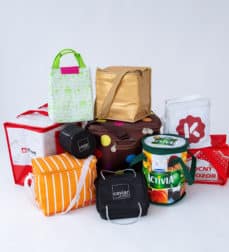
Custom special packaging: when a standard box is not enough

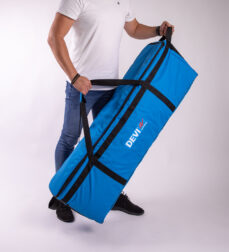
An insulin pen, snow chains, a carbon body part and a parcel on a sorting line have one thing in common. You would not entrust any of them to packaging designed for something else. This is exactly where custom special packaging begins – packaging created around the shape, weight and handling of a specific product.
In brief
- Custom special packaging is designed around the dimensions, weight and use of a specific product – not picked from a catalogue.
- SALE produces it from EVA foam, woven PP, polyester, neoprene and non-woven fabrics, with or without print.
- Typical applications: foldable CARGO boxes for couriers, insulin pen cases, packaging for prostheses and chains, protective packaging for carbon parts and textile packaging for automotive.
- Custom production starts from 1,000 pcs for transport packaging and from 3,000 pcs for EVA packaging. The design is free of charge.
- From order to delivery, realistically allow 90 days.
In this article
What is custom special packaging?
Custom special packaging is packaging whose dimensions, construction and material are based on the product, not on a price list. The difference is fundamental. A standard box or bag deals with volume. Special packaging deals with what happens to the product on its way: vibration, impact, moisture, temperature, abrasion and repeated opening.
In practice, there are three groups:
- transport packaging for repeated circulation between warehouse, vehicle and customer,
- protective packaging and cases for sensitive or valuable products,
- presentation packaging that protects the product and carries your brand at the same time.
Why does it matter? Packaging that “almost fits” leaves the product room to move. And movement is the most common cause of damage. In addition, from 1 January 2030 the EU Packaging and Packaging Waste Regulation PPWR (EU 2025/40) limits empty space in grouped, transport and e-commerce packaging to a maximum of 50%, including fillers such as bubble wrap or polystyrene (EUR-Lex). Packaging designed to measure meets this requirement by its very nature.
1. CARGO boxes for forwarders and couriers: sorting that survives thousands of shipments
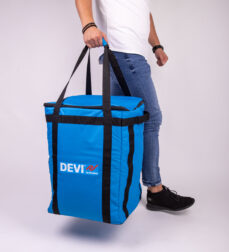
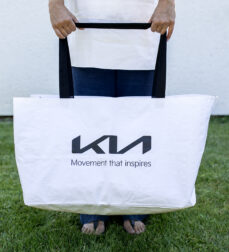
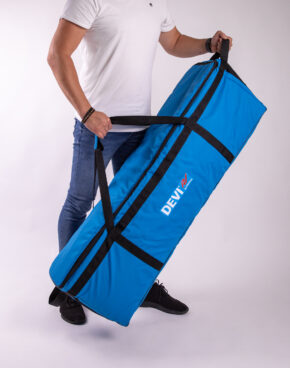
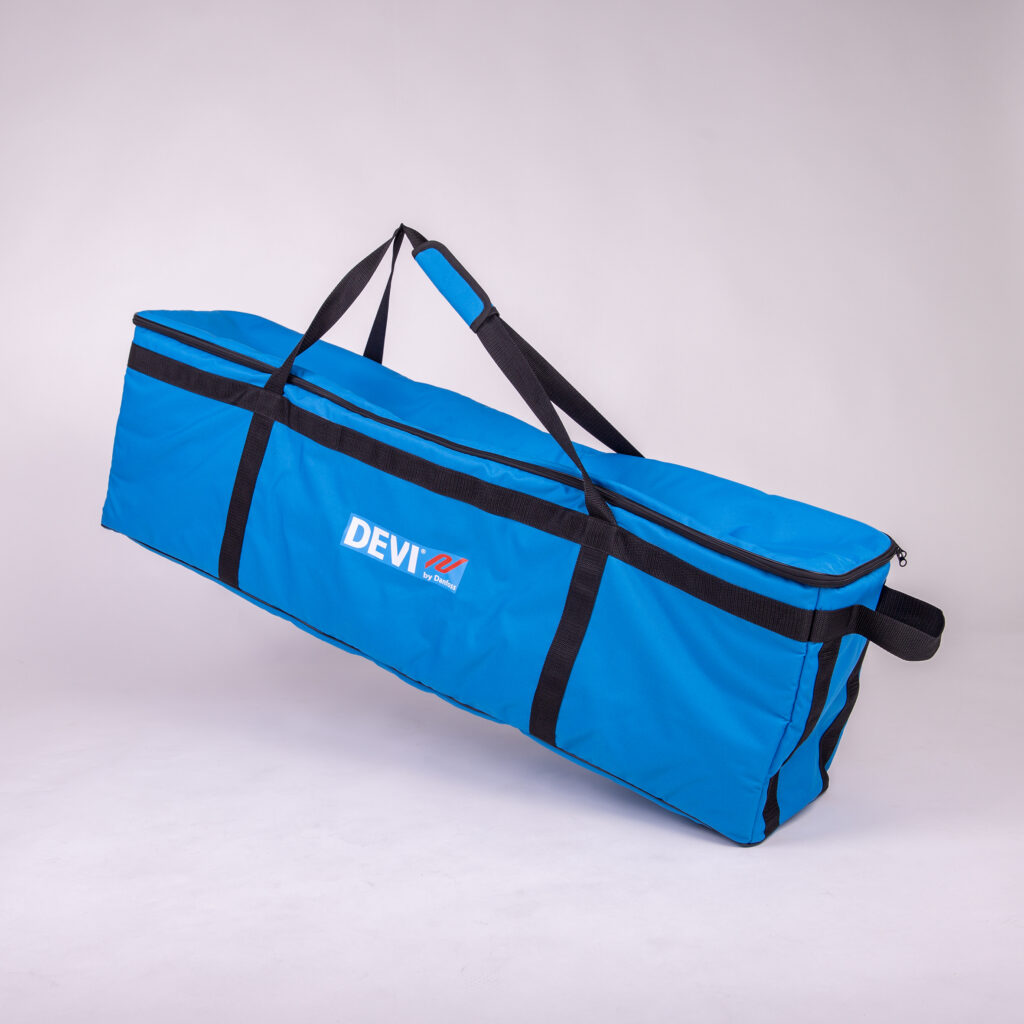
Anyone who has seen the morning sort in a courier depot knows that a cardboard box will not last long there. Small parcels are sorted by route, loaded into vans and the empty packaging returns. The ideal tool is a foldable sorting bag, the so-called CARGO box, familiar from the logistics of large e-commerce players.
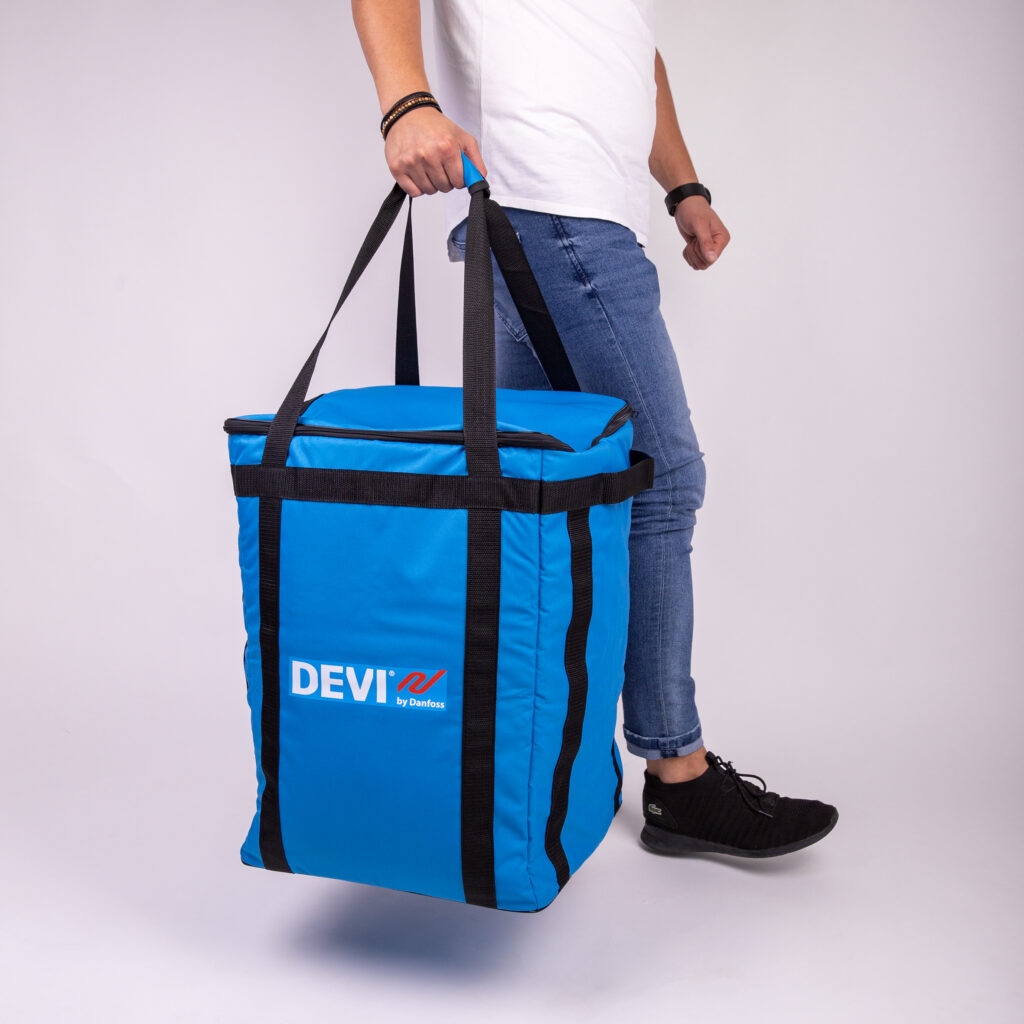
A well-designed CARGO box has:
- material made of woven polypropylene (PP woven), often laminated to resist moisture and wipe clean; we choose the grammage according to the load,
- a cube-shaped construction with reinforced walls, a stiffened bottom and stitched handles that carry a full bag,
- closure with a zip or flap, optionally with a transparent lid so the contents are visible without opening,
- identification via a route label pocket, colour coding by direction and logo print,
- flat folding, so the return journey takes up a fraction of the space.
Exactly. One bag instead of dozens of cartons. And that is not all – the company colour and logo on every bag turn the depot and the van into a brand carrier.
For companies building their own reuse system, this is also a step in the direction PPWR is heading. From 2030, economic operators must ensure that for selected transport formats at least 40% are reusable packaging within a reuse system. The European Commission will set out exactly how the targets are calculated in a uniform methodology by 30 June 2027 (EUR-Lex).
2. Insulin pen cases: a case that respects the conditions of the medicine
Insulin is sensitive to heat, frost and light. Summaries of product characteristics authorised in the EU for prefilled pens typically state: before first use, store in a refrigerator at 2–8 °C, do not freeze; after first use, store below 30 °C for a maximum of 4 weeks with the cap on to protect from light (EMA, insulin SmPC). Meanwhile, patients carry the pen with them – in a handbag, in the car, on holiday.

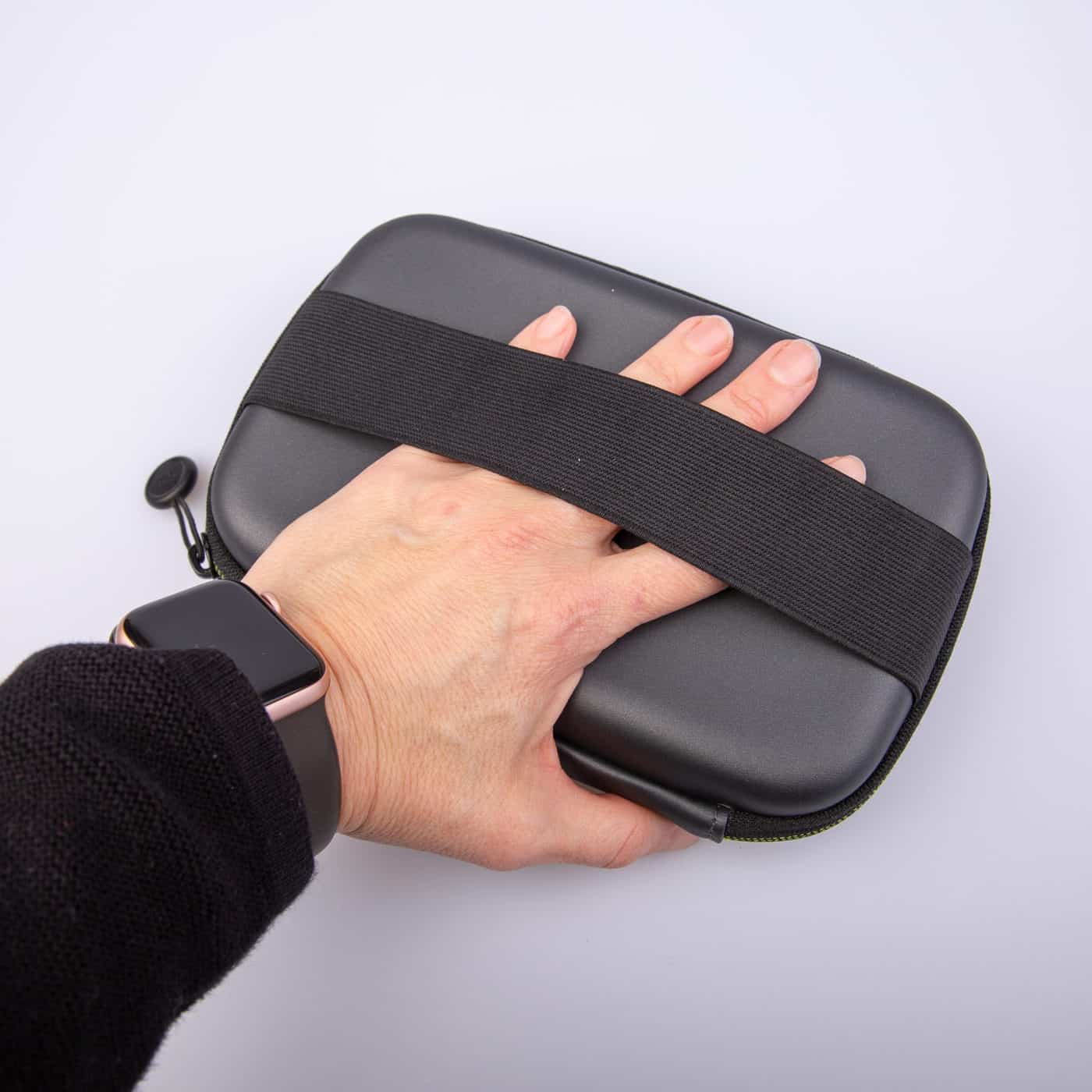
A custom case solves three things at once:
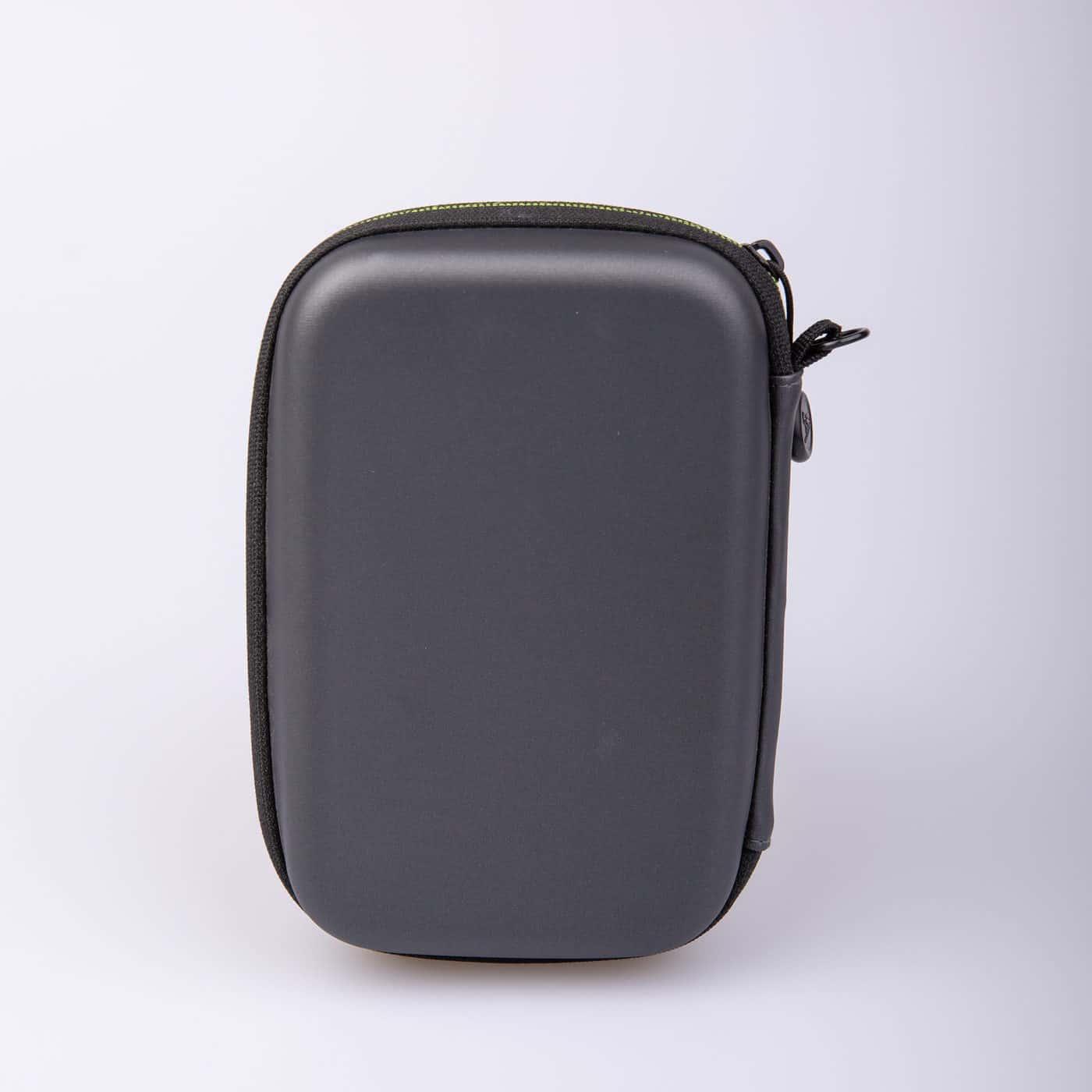
- protection: a rigid EVA case holds its shape, absorbs impacts and the pen does not move inside,
- order: a moulded insert with space for the pen, needles and cartridges,
- insulation: a layer of insulating material such as neoprene slows down heat transfer.
One honest note. The case protects and softens temperature fluctuations, but it does not replace a refrigerator or the instructions in the package leaflet. Communicating it this way strengthens the trust of patients and of your brand.
For pharmaceutical companies, medical device distributors and patient organisations, it is a brand carrier with a clear function. Such packaging is not thrown away. It is used every day.
3. Prosthesis cases: protection, hygiene and discretion
A prosthesis is a high-value personal aid. When travelling, storing it or taking it for service, it needs packaging that protects it from impact and dust and is easy to clean. We design cases with a soft inner lining, a washable surface and a construction tailored to the shape of the specific aid – from cases for smaller components to bags with a shoulder strap.
The impression matters just as much. A discreet case without conspicuous lettering respects the user’s privacy. For manufacturers of prosthetic aids and orthotic-prosthetic workshops, it is a detail that clients appreciate more than you might think.
4. Snow chain cases: when the contents destroy the packaging
Snow chains are heavy, have sharp edges and are often stored wet and salty. An ordinary textile bag wears through quickly. That is why we make rigid EVA cases for them: the material is waterproof, tough and does not crack in frost. The case holds its shape, fits in the boot and the chains do not end up scattered after the season.

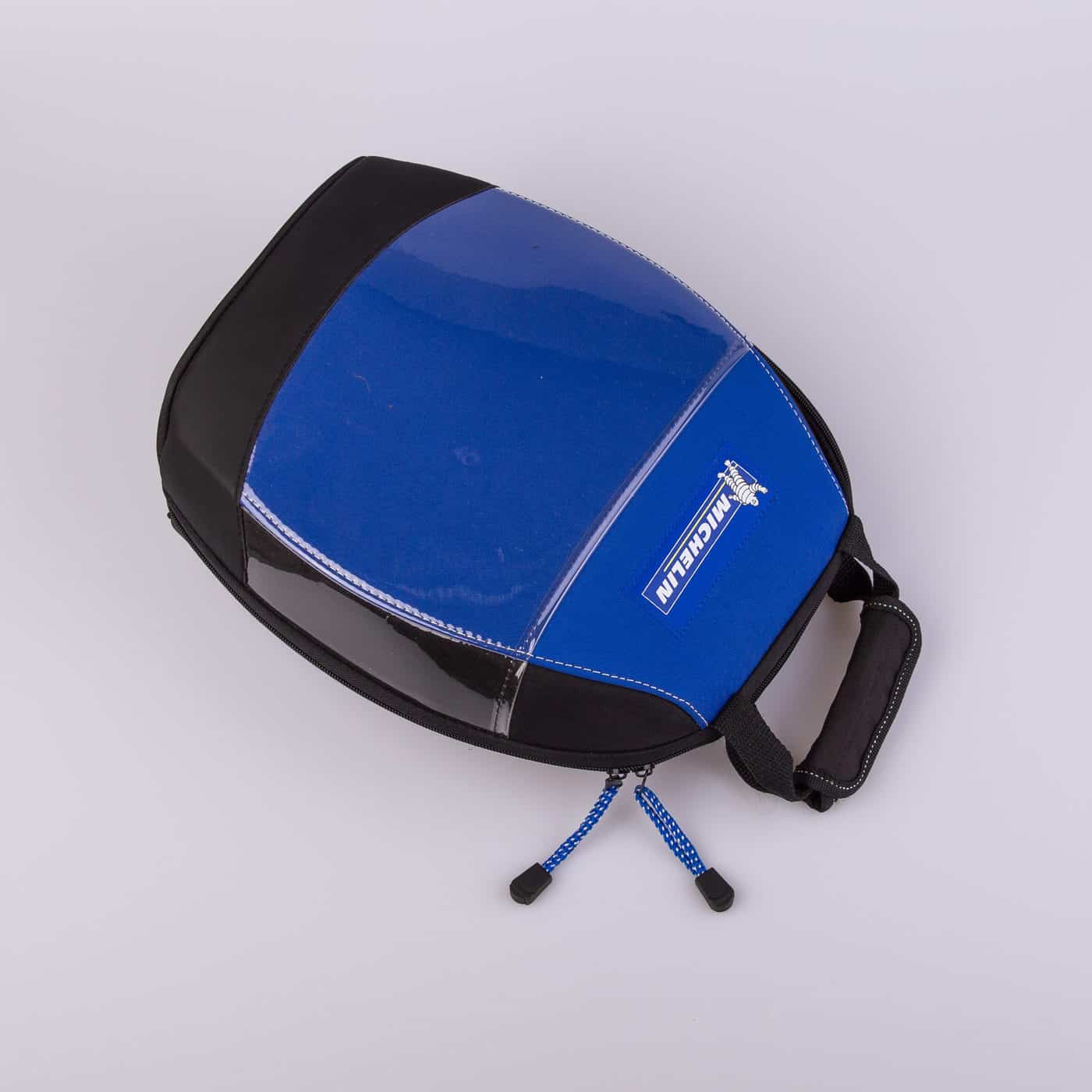
For manufacturers and retailers of car accessories, it is also sales packaging – with a logo, space for instructions and a handle for easy carrying.
5. Protective packaging for carbon parts: damage you cannot see
Carbon, i.e. carbon fibre reinforced polymer (CFRP), is strong and light. But it has one treacherous property. A low-energy impact, for example a dropped tool, can cause delamination inside – separation of the layers – without leaving a visible mark on the surface. The technical literature uses the established term BVID, barely visible impact damage (NIH / PMC).
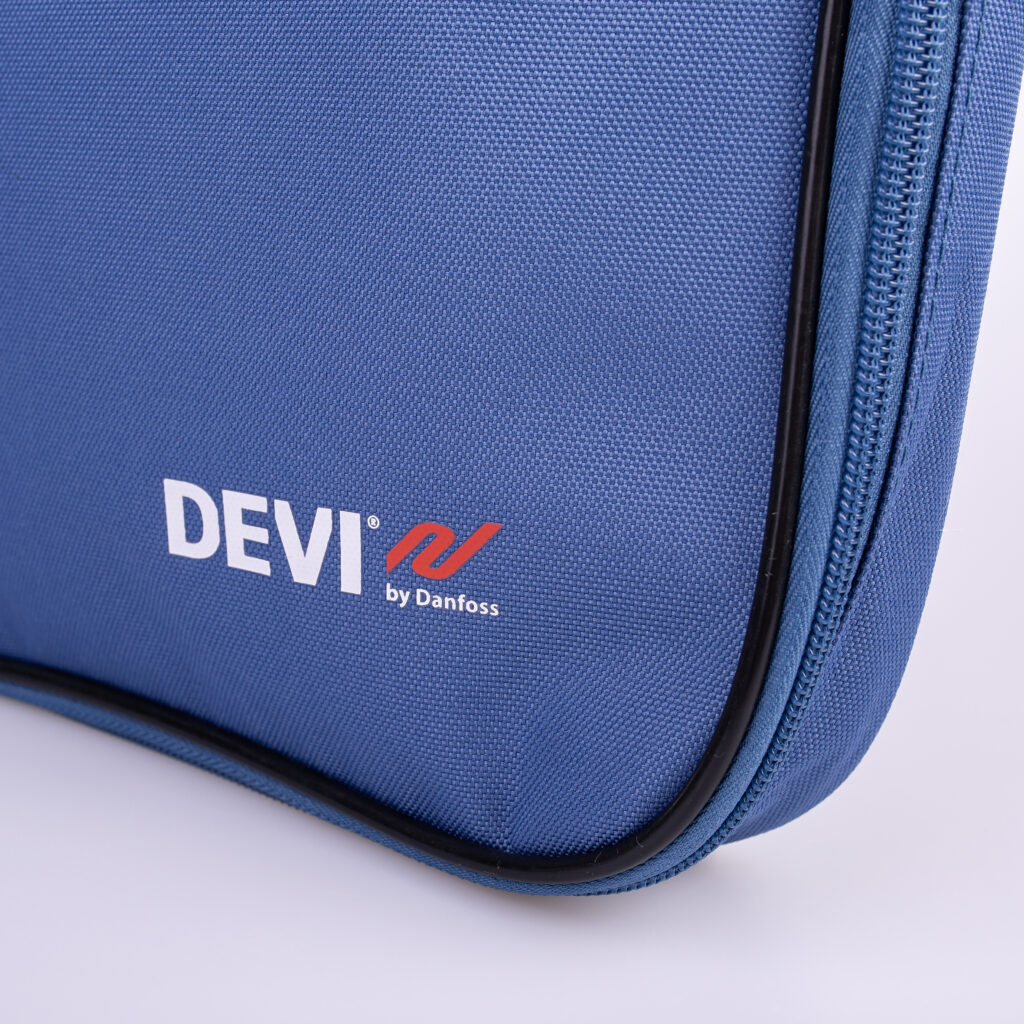
This gives the packaging a clear brief: prevent impact and contact between parts. That is why we choose:
- separate pockets or compartments for each part,
- a soft, non-abrasive inner layer that will not scratch the paint on the visible side,
- a cushioning layer or a rigid EVA shell for parts transported individually,
- marking of the visible side and storage orientation directly on the packaging.
This is exactly why packaging is designed around the part. Dimensions are not enough. You need to know where the visible surface is, where the part can take pressure and where it cannot.
6. Special packaging for automotive: parts with visible surfaces
In the automotive industry, parts with visible surfaces (so-called Class A) are protected with sewn textile dunnage – pockets, dividers and hanging bags inserted into transport boxes or metal racks. The textile wraps the part and prevents scratches and abrasion. Once emptied, it folds down, so the return transport of empty packaging is significantly cheaper.
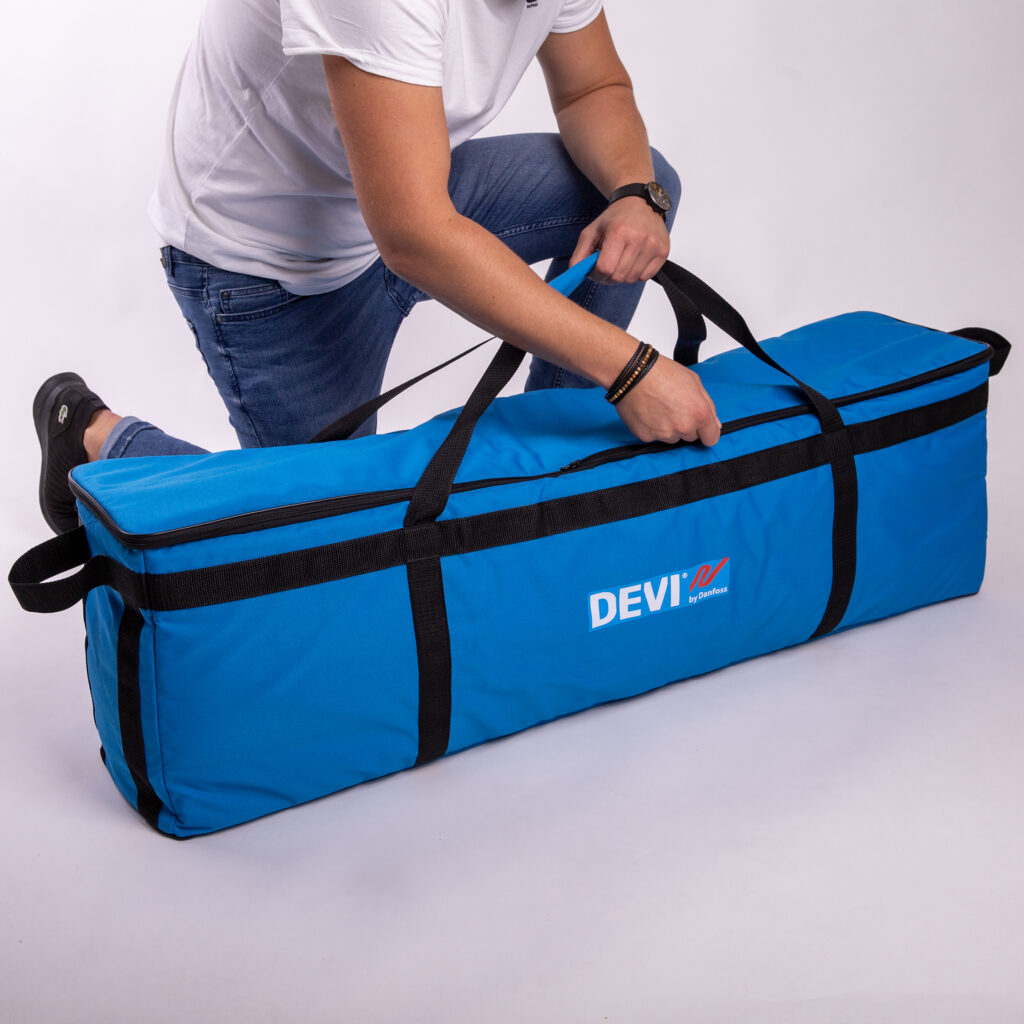
We make sewn packaging for interior parts, painted and chrome elements, electronics and aftermarket spare parts. The details are decisive: material that does not shed fibres, pocket spacing exactly matching the rack, reinforced seams for repeated circulation and colour differentiation of part types.
Materials for special packaging: an overview
| Material | Key properties | Typical use |
|---|---|---|
| EVA (ethylene-vinyl acetate) | light, flexible, shock-absorbing, waterproof, UV resistant, does not crack in frost, recyclable | insulin pen cases, electronics, medical devices, chains |
| Woven PP | high strength, abrasion resistant, can be laminated | CARGO boxes, sorting and transport bags |
| Polyester | light, strong, non-absorbent, quick-drying, colourfast | transport bags, packaging for parts, sublimation print |
| Neoprene | thermally insulating, soft, shock-absorbing | insulating cases, packaging for electronics and bottles |
| Non-woven fabric | light, breathable, can be laminated | dust covers, inner pockets and dividers |
| Custom foam inserts | hold the exact shape of the product | inner fillings of cases and boxes |


We will be happy to help you choose the material. Often the combination is decisive – for example a rigid EVA shell on the outside and a soft textile lining inside. You will find more terms in our technology glossary.
How production of special packaging works at SALE
- Brief: send us the product, a drawing or photos with dimensions, weight, quantity and a description of how it is handled.
- Free design: we propose the construction, material and print and prepare a visualisation.
- Sample: for technical packaging, we recommend a sample and a test with the real product.
- Choice of production country: based on the material and technology, we select the manufacturer best suited to the order.
- Supervised production: we check the quality of workmanship and print.
- Import and delivery: we arrange transport, import into the EU and delivery to your address.
Plan with a reserve
- From order to delivery, allow roughly 90 days – about 30 days of production and 60 days of transport.
- If you need the packaging for a season or for a new production ramp-up, start your enquiry in good time.
- The minimum order is 1,000 pcs for transport packaging and 3,000 pcs for EVA packaging.
What to prepare for your enquiry
- ✔ product dimensions and weight, ideally a drawing or a sample,
- ✔ required quantity and estimated repeat orders,
- ✔ environment: moisture, temperature, frost, dust, chemicals,
- ✔ type of circulation: single use, or repeated and how many cycles,
- ✔ sensitive areas of the product: visible surface, display, sharp edges,
- ✔ print: logo, number of colours, label, colour coding,
- ✔ the date by which you need the packaging on site.
What do you need to pack?
Write to us – and we will start from your brief. Contact us at [email protected] or on +420 731 392 151.
Frequently asked questions about special packaging
Custom special packaging is packaging designed around the dimensions, weight and use of a specific product. Unlike catalogue packaging, it also deals with impact, vibration, moisture, temperature and repeated circulation.
SALE produces foldable CARGO boxes for couriers and forwarders, EVA cases for insulin pens, packaging for prostheses and snow chains, protective packaging for carbon parts and sewn textile packaging for automotive.
Custom production of transport packaging starts from 1,000 pcs, EVA packaging from 3,000 pcs. We prepare a suitable design free of charge.
From order to delivery, allow roughly 90 days: about 30 days of production and 60 days of transport. For seasonal orders, we recommend enquiring well in advance.
A CARGO box is most often made of woven polypropylene (PP woven), which is strong and abrasion resistant. Lamination adds moisture resistance and makes cleaning easier.
An insulated case softens temperature fluctuations but does not replace a refrigerator or the medicine manufacturer’s instructions. Before first use, insulin is usually stored at 2–8 °C and, once opened, below 30 °C for a maximum of 4 weeks.
Carbon composite can suffer internal delamination after a low-energy impact without any visible mark on the surface. The packaging must therefore absorb impacts and keep the parts apart.
From 1 January 2030, grouped, transport and e-commerce packaging may have a maximum of 50% empty space. For selected transport formats, at least 40% must be reusable packaging within a reuse system.
Note: the 90-day lead time is SALE’s practical supply chain experience, not a figure from legislation. Information on PPWR does not constitute legal advice; please follow the official text of Regulation (EU) 2025/40 and guidance from the competent authorities.