 +420 777 151 946



Trendy surface finishes 2026: What will dominate packaging design?

Packaging Surface Finish Trends 2026 are defined by four main pillars: soft-matte lamination, emboss and deboss stamping, a material-first approach, and sensory elements. As a leader in packaging based in Ostrava, we see these trends stemming from a growing demand for quiet luxury, sustainability, and a memorable unboxing experience. These finishes fundamentally influence how customers perceive the value of your brand even before they open the product, setting a new standard for the Czech market in the coming year.
Packaging is not just product protection. It is the customer’s first physical contact with your brand, a silent salesperson standing on the shelf, and an ambassador of the values you represent. The 2019 study Role of packaging in consumer buying behavior states: “Approximately 95% of new products fail each year for the simple reason that most customers do not have the time or energy to think about the pros and cons of the products they put in their shopping cart, and therefore rely on shortcuts such as quality, appearance, and the perfection of the product packaging when making purchasing decisions“.
What are packaging finishes and why are they key?
A packaging finish is the final visual and tactile layer that defines how a product looks, how it feels in the hand, and what emotional impression it leaves. It includes techniques such as lamination, stamping, screen printing, UV coating, foil stamping, and much more.
Unlike printing ink or the material itself, the finish is what the customer perceives immediately, before reading the text, before seeing the logo. It is the language through which packaging speaks about the brand without a single word.
For 2026, we identify four key trends, that will shape packaging design across segments, from premium cosmetics to eco-friendly food products.
1. Soft-Matte: Quiet luxury as the new standard
What is a soft-matte finish?
Soft-matte is a type of lamination that creates a smooth, non-reflective surface with a silky feel. To the touch, it resembles velvet or fine leather, and this very texture communicates premium craftsmanship even before the customer opens the product.
Why does soft-matte dominate 2026?
The trend stems from the phenomenon of so-called “quiet luxury”, where a brand does not need to shout. The absence of bold colors and glossy effects is replaced by the richness of texture and detail. Soft-matte is a subconscious association with softness and precise craftsmanship.
Consumers are oversaturated with strong visual stimuli and increasingly appreciate subtle yet high-quality execution. Soft-matte meets this need perfectly.

Who is soft-matte ideal for?
- Premium cosmetics and perfumery
- Luxury fashion brands and gift boxes
- Wine labels and higher-end alcoholic beverages
- Healthy foods and lifestyle products
Practical benefits of soft-matte lamination
- Resistance to fingerprints and light scratches
- Excellent compatibility with deboss stamping or spot UV coating
- Available for paper packaging, boxes, and labels
2. Emboss and Deboss: Tangible branding you won’t forget
What is the difference between emboss and deboss?
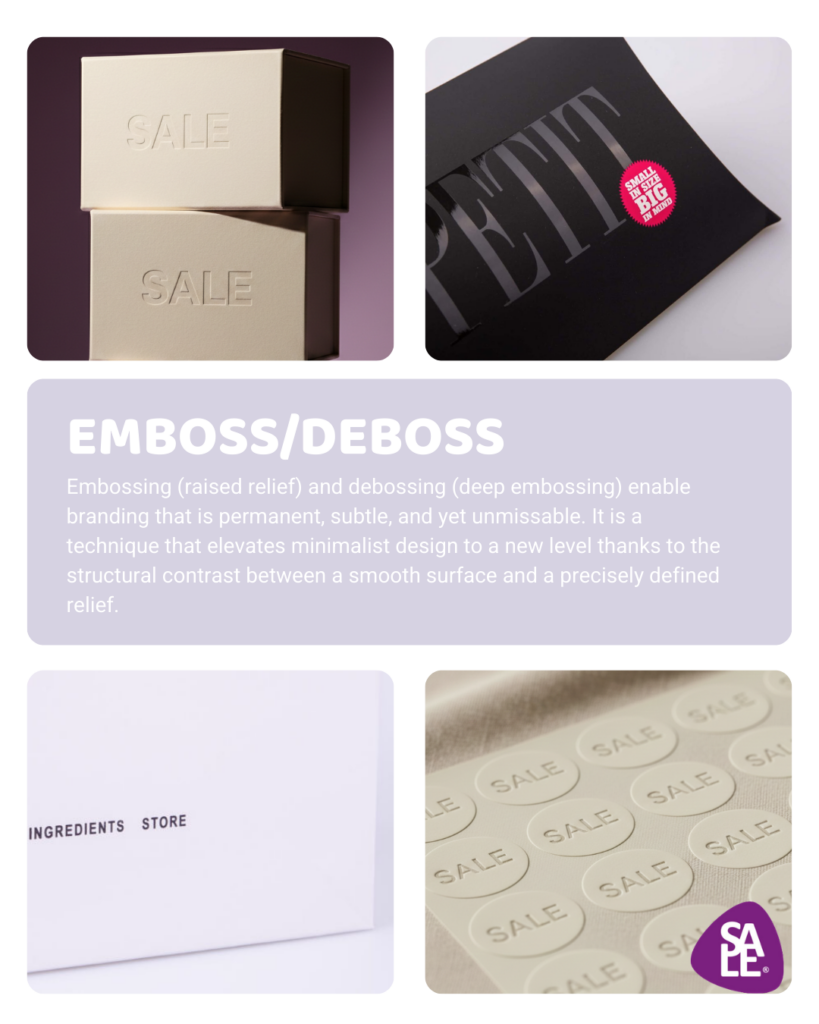
Emboss (or embossing) creates a raised relief above the material’s surface, a logo, text, or motif literally “rises” from the packaging. Deboss, on the other hand, creates an impression pressed into the surface, with the pattern pushed below the surface level. Both techniques are colorless and work purely through structural contrast.
| Feature | Emboss | Deboss |
| Effect | Raised relief upward | Pressed into depth |
| Visual impression | Bold, dimensional | Subtle, elegant |
| Combination | Foil, UV coating | Soft-matte lamination |
| Typical use | Logotypes, envelopes | Packaging, business cards, labels |
| Suitable for | Premium, gifts | Minimalism, luxury |
Why emboss and deboss in 2026?
The digital world is full of perfect but touchless experiences. Physical packaging is one of the few opportunities for a brand to literally be felt by the customer. Stamping adds a tactile dimension that no digital screen can simulate.
The combination of soft-matte lamination + deboss stamping is the strongest duo in premium packaging design in 2026. The matte surface highlights the structure of the relief and creates a sophisticated contrast of light and shadow.
Examples of excellent emboss/deboss use
- Textured vignettes on wine labels
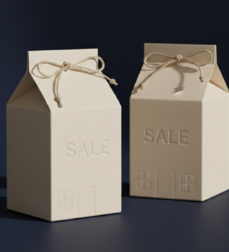
- A logo on a box without any printing at all
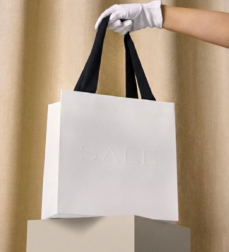
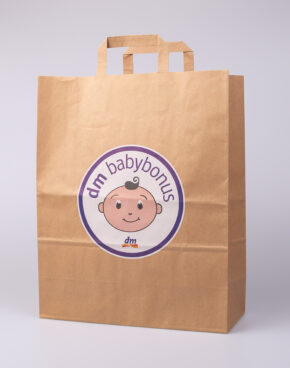
- A brand name pressed into a kraft paper bag
- A relief pattern on the surface of a round tin
3. Material-First: Sustainability as aesthetics, not just obligation
What does the Material-First approach mean in packaging design?
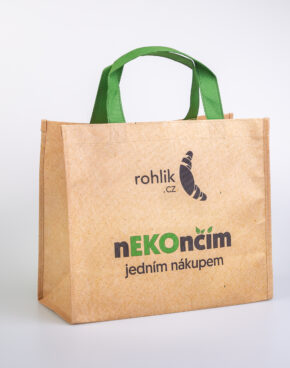
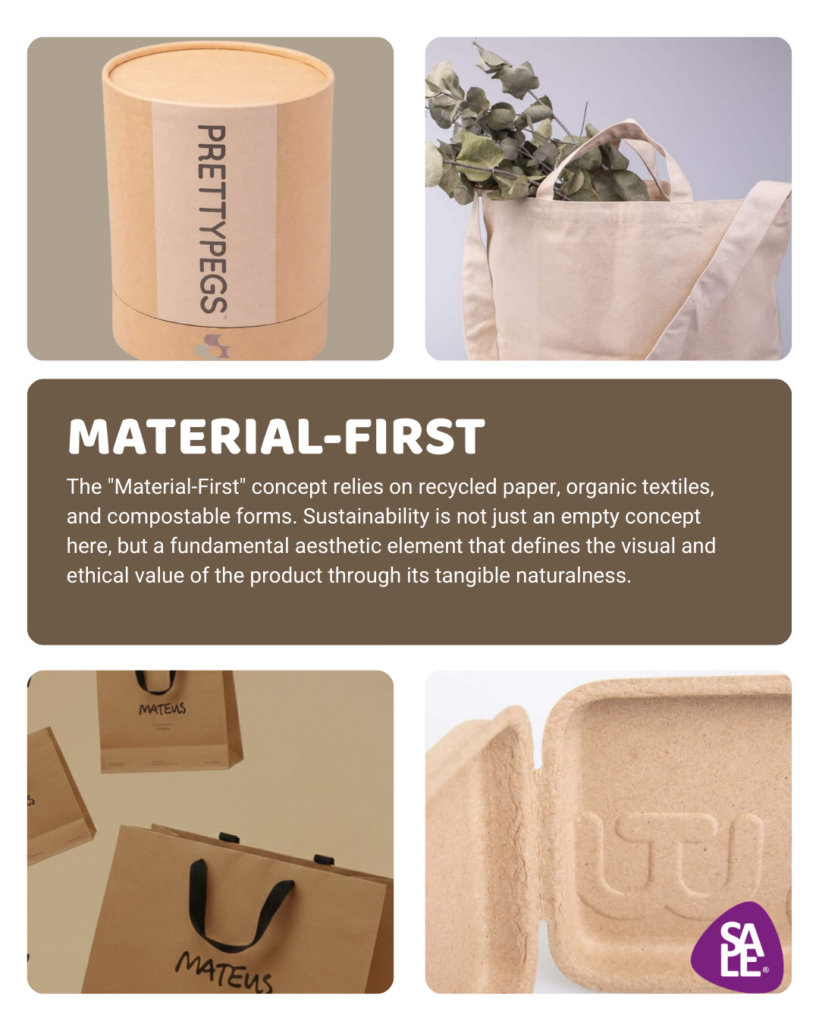
Material-First is a philosophy that puts material selection first. The natural surface of recycled paper, the imperfections of kraft, or the texture of organic textiles are no longer seen as flaws, but as intentional design features.
Here, sustainability is not just an empty term on a certificate. It is a tangible, visible, and aesthetic element that consumers immediately recognize and appreciate.
Key materials of the Packaging Surface Finish Trends 2026
- Recycled and recyclable paper — kraft, bamboo paper
- Organic textiles — cotton, jute fibers, linen
- Compostable forms — molded pulp, waxed fibers
- Natural adhesives and water-based printing inks
How does Material-First increase brand value?
Customers, especially Gen Z and younger millennials, place increasing importance on environmental responsibility. Surveys repeatedly show that customers are willing to pay more for a product whose packaging is demonstrably sustainable.
The key word is “demonstrably” — the Material-First approach is credible precisely because sustainability can be seen and felt, not just printed on a label.
Material-First in practice
- Beverage cups made from molded pulp instead of plastic EPS
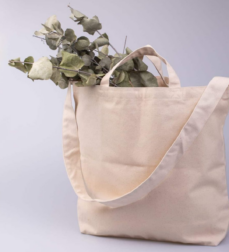
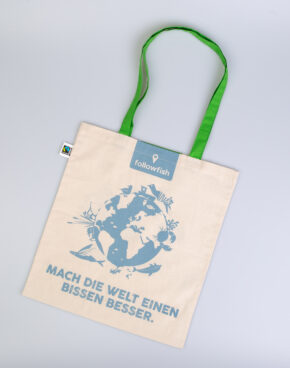
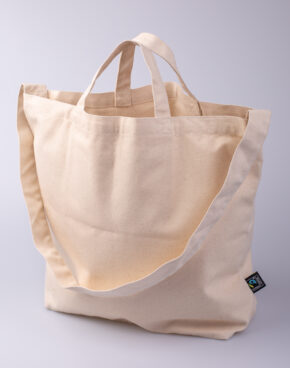
- Organic cotton bags as a full-fledged part of branding
- Boxes made from recycled greyboard without additional coating — raw texture as an aesthetic feature
4. Sensory elements: Unboxing as an unforgettable ritual
What are sensory elements in packaging design?
Sensory design integrates multiple sensory impressions into the overall packaging experience, not just sight, but also touch, sound, and smell. The result is a so-called multimodal approach that draws the customer into a deeper emotional connection with the brand.
Specifically, this can include: the sound of a magnetic closure opening, the sound of a tin, the scent of paper infused with essence, the resistance of a magnet when closing a luxury box, or the cool touch of a metal lid.
Why is the unboxing experience important?
Unboxing videos on social media have billions of views. Customers film and share the moment of opening, and that is your organic marketing. Packaging that creates an unforgettable ritual becomes part of the customer’s content.
The sensory experience deepens the brand’s emotional imprint and increases the likelihood of social media sharing, repeat purchases, and real-world recommendations.
Sensory elements for 2026
- Sight: Metallic foil reacting to light from different angles
- Touch: Spot UV coating on a soft-matte surface — contrast between matte and gloss
- Touch: Stamping with varying depth for a complex relief
- Sound: Magnetic closure with a defined click when shut
- Smell: Scented lamination or ароматized paper

How to choose the right packaging finish for your brand?
Each of the four trends serves a different purpose and a different target audience. The key is to understand what value you want to communicate and choose the technique that amplifies that value.
| Trend | Ideal for | Main benefit | Price level |
| Soft-Matte | Luxury, cosmetics, fashion gifts | Premium feel, quiet luxury | Medium–high |
| Emboss / Deboss | Premium, minimalism | Tangible branding, no printing | Medium–high |
| Material-First | Eco brands, food, lifestyle | Credible sustainability | Low–medium |
| Sensory elements | Luxury, gifts, cosmetics | Unforgettable unboxing | High |
The trends do not exclude one another, quite the opposite, the strongest Packaging Surface Finish Trends 2026 combines multiple techniques. For example, soft-matte lamination + deboss logo + spot UV coating on a key element creates a layered experience that feels coherent and thoughtfully designed.
Frequently asked questions about packaging finishes (FAQ)
The most affordable option is standard matte lamination or recycled kraft without any additional coating (the Material-First approach). Both options are cost-effective even for small production runs.
It depends on the overall design. Emboss is suitable when you want an element to stand out visually and be immediately visible. Deboss works better in combination with smooth, matte surfaces, where the subtle relief creates a sophisticated contrast. For premium, minimalist design, deboss is usually the more elegant choice.
It depends on the specific lamination. Standard soft-matte films are plastic-based and complicate the recycling of the paper substrate. However, there are eco-friendly alternatives — water-dispersible or mechanically separable laminations that are suitable for recycling. When choosing, we recommend consulting the specific option with your supplier.
According to research by the University of Surrey, visual and tactile impressions from packaging account for up to 94% of a consumer’s first impression. The finish is the first tangible signal — the customer touches the packaging before properly seeing it. More premium execution demonstrably increases the perceived value of the product and the willingness to pay a higher price.
Yes, and combining techniques creates the strongest result. The most popular combo of Packaging Surface Finish Trends 2026 is: soft-matte lamination as the base + deboss logo + spot glossy UV coating on a selected element. The result is visually and tactilely rich packaging that feels exclusive and well thought out.
Conclusion: Finishing as a strategic investment
Packaging finish trends in 2026 have one thing in common, they shift packaging from the category of a “necessary expense” to the category of a “strategic branding tool”. Today, customers buy the packaging experience too, not just the product inside.
Whether you rely on the quiet luxury of soft-matte lamination, the tangible minimalism of stamping, the authenticity of natural materials, or the sensory ritual of unboxing — each of these techniques has the potential to strengthen your brand and increase the perceived value of your product.